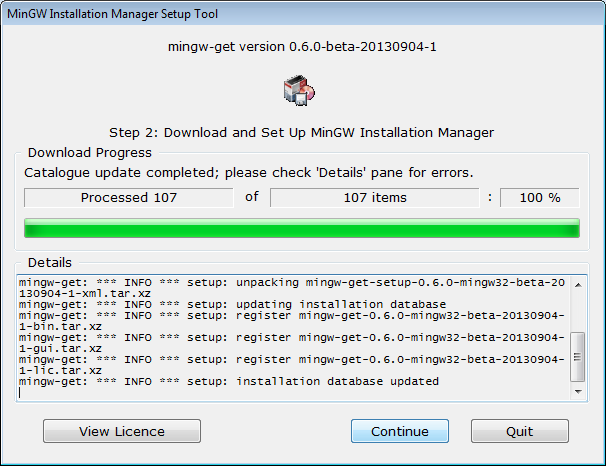
MinGW for Windows is the lightweight GNU toolchain that brings GCC, G++, and essential development tools to Windows without the overhead of a full Linux environment. MinGW for Windows 0.6.2-2013 gives you a native C and C++ compiler,
that produces Windows executables without needing Cygwin or WSL. I use it because it is the simplest way to get a working GCC setup on Windows when you just need to compile C and C++ code and nothing else.
MinGW Overview
MinGW for Windows is a minimalist GNU toolchain port that provides GCC, G++, GDB, and Make natively on Windows. It compiles directly to Windows binaries without any compatibility layer or POSIX emulation overhead.
It is the go to setup for students, embedded developers, and anyone who needs a clean native GCC environment on Windows.
Key Features :
- Native GCC and G++ compiler for Windows
- GDB debugger included
- Make build tool support
- C and C++ standard library support
- Produces native Windows executables
- No POSIX emulation layer required
- Lightweight installation with minimal footprint
- Works with any text editor or IDE
- Code Blocks and Eclipse integration support
- Command line and IDE workflow compatible
- MSYS shell environment support
- Open source and publicly available
- Fully compatible with Windows 10 and Windows 11
What’s New in 0.6.2-2013
- Installer stability and package management improved
- GCC toolchain components updated for better compatibility
- MSYS integration refined for smoother shell experience
- Package dependency resolution improved
- Bug fixes and stability improvements throughout
System Requirements
- OS: Windows XP or later including Windows 11
- RAM: At least 512 MB
- Storage: 200 MB of free space
- Processor: Intel or AMD 32 bit or 64 bit processor supported
How to Install MinGW on Windows
- Download MinGW for Windows 0.6.2-2013 full version.
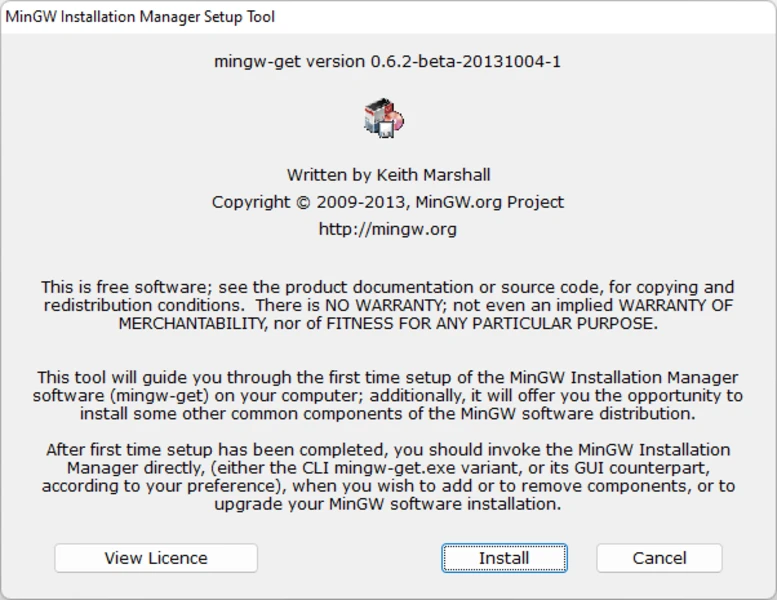
- Run the installer file.
- Select the components you need such as GCC and G++.
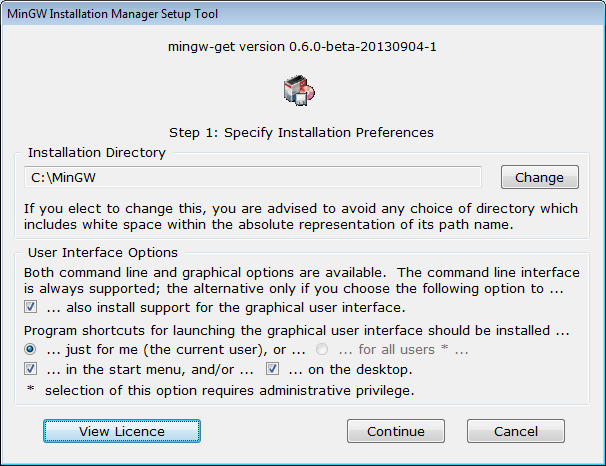
- Choose your installation directory.
- Add the MinGW bin folder to your system PATH.
- Open Command Prompt and run gcc –version to confirm.
How to Download MinGW Using Windows
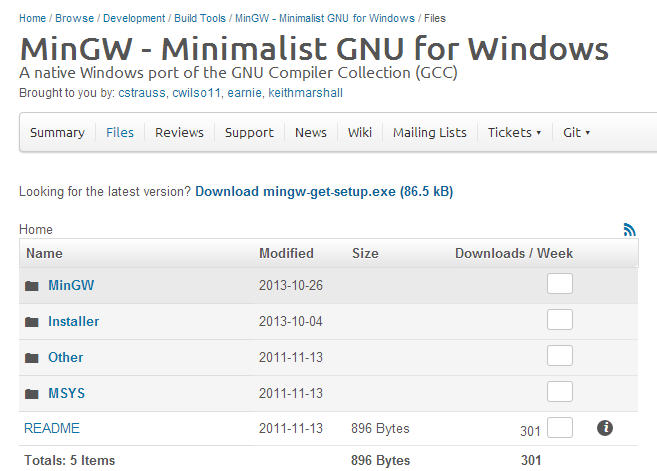
- Visit the official MinGW SourceForge page.
- Click the Download button for the latest installer.
- Wait for the installer to finish downloading.
- Open your Downloads folder.
- Run the installer to begin installation.
Supported Websites
- MinGW Official SourceForge Page
- GitHub Mirror Page
- Softpedia
- MajorGeeks
- Fosshub
- Filehorse
- 1000+ other trusted sources
Why Use MinGW for Windows?
MinGW for Windows is the fastest path to a working GCC environment on Windows without the complexity of WSL or the size of a full Linux virtual machine. It compiles standard C and C++ code to native Windows executables that run without ,
any runtime dependencies beyond what Windows already provides. For students learning C, developers building command line tools, or anyone maintaining legacy C codebases on Windows it covers every requirement without unnecessary overhead.
MinGW vs Other Windows Compiler Tools
| Feature | MinGW for Windows | Others |
|---|---|---|
| Native Windows GCC | Yes | Limited |
| No POSIX Layer Needed | Yes | No |
| Lightweight Install | Yes | No |
| GDB Debugger Included | Yes | Limited |
| Open Source | Yes | No |
| Windows Optimized | Yes | No |
Frequently Asked Questions
Here are the most asked questions about MinGW for Windows: