
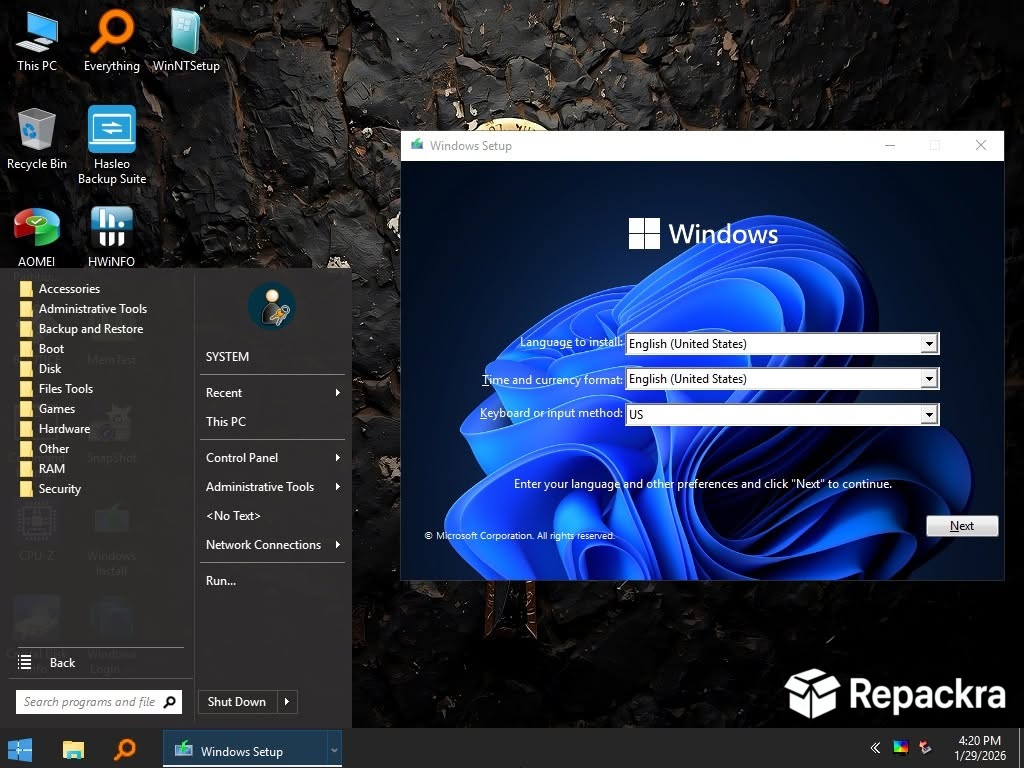
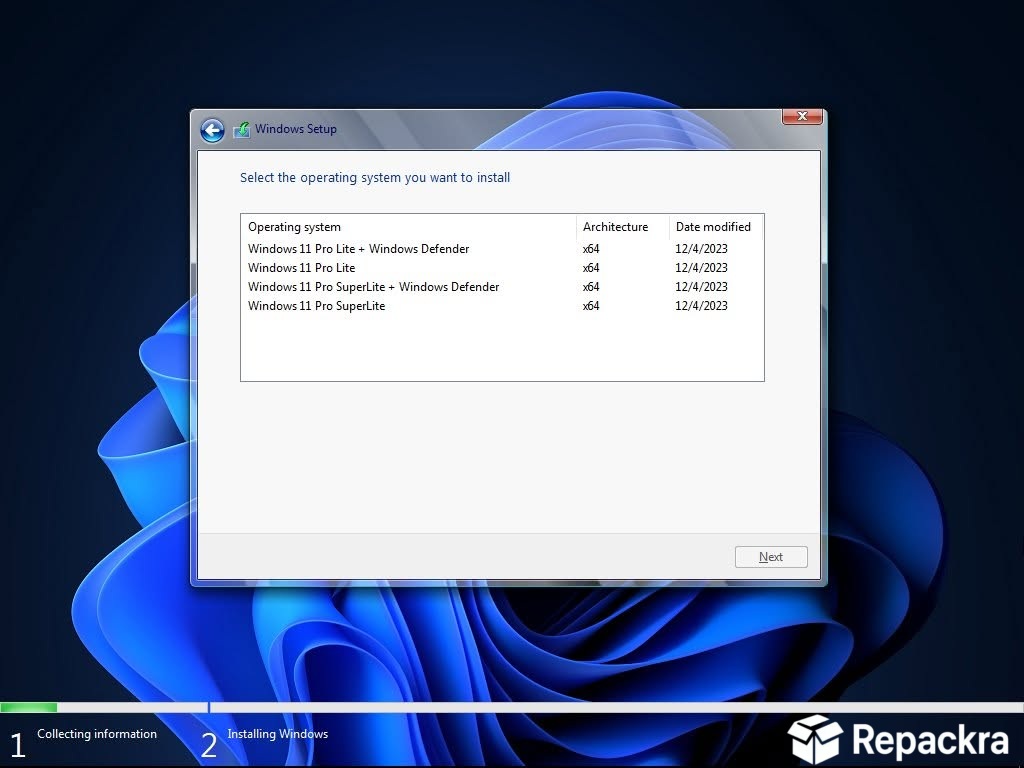
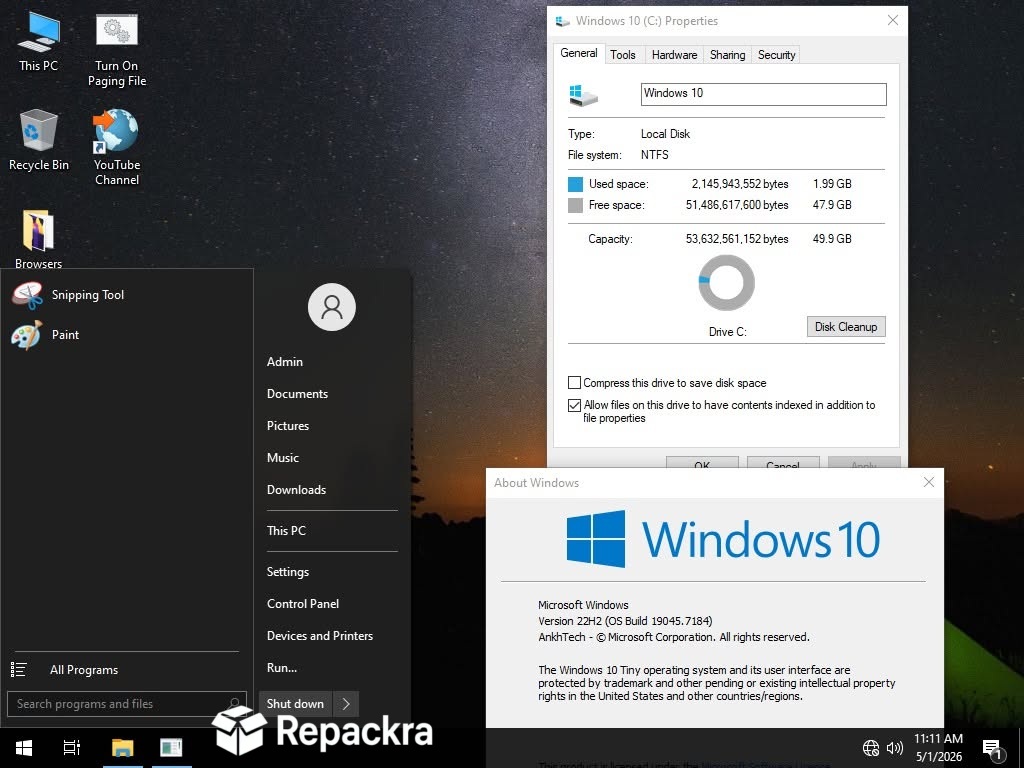
Ankh Emergency OS is the kind of bootable recovery environment you hope you never desperately need but are incredibly relieved to have when things go wrong. Version 8.0 brings an updated and more capable set of recovery and diagnostic tools packed into a clean bootable environment that works on virtually any 64-bit PC.
I keep a copy burned onto a USB drive because when a system refuses to boot, having something reliable ready to go saves an enormous amount of stress.
Ankh Emergency OS Overview
Ankh Emergency OS is a bootable Linux based emergency operating system built specifically for system recovery, hardware diagnostics, and data rescue situations. It loads entirely from USB or DVD without touching your existing installation,
giving you a working environment to diagnose problems and recover data even when your main OS has completely broken down. Ankh Emergency OS is essentially your safety net when everything else has stopped responding.
Technicians recovering Windows specific systems will often keep Gandalf’s Win10PE on a second drive alongside it, since its fully featured Windows desktop environment gives you direct access to registry editing, Windows account recovery, and a wide range of repair tools in a familiar interface that a Linux based tool simply cannot replicate.
Key Features
- Fully bootable emergency Linux environment
- Hardware diagnostics and stress testing tools
- Disk partitioning and partition recovery utilities
- File and data recovery tools built in
- Network access for downloading additional tools
- Antivirus scanning for infected offline systems
- Password reset and account recovery support
- Backup and disk imaging tools included
- Works on both UEFI and legacy BIOS systems
- Lightweight and fast to boot on most hardware
What’s New in 8.0
- Updated Linux kernel for better hardware support
- New diagnostic and recovery tools added
- Improved Wi-Fi and network adapter compatibility
- Several stability fixes throughout the environment
System Requirements
- 64-bit processor Intel or AMD
- 2 GB RAM minimum, 4 GB recommended
- 8 GB USB drive minimum for installation media
- UEFI or legacy BIOS compatible system
How to Install Ankh Emergency OS on PC
- Download Ankh Emergency OS 8.0 64-bit.
- Flash the ISO to a USB drive using Rufus or Etcher.
- Boot your PC from the USB drive.
- Select the tool or environment you need from the menu.
- Begin your recovery or diagnostic task.
How to Download Ankh Emergency OS for PC
- Visit the official Ankh Technology website.
- Navigate to the Downloads section.
- Select the 64-bit ISO build.
- Verify the checksum if available.
- Flash the ISO to your installation media.
Supported Websites
- Ankh Technology Official Website
- Softpedia
- MajorGeeks
- TechSpot Downloads
- Fosshub
- Filehorse
- 1000+ other trusted sources
Why Use Ankh Emergency OS?
The whole point of Ankh Emergency OS is that it gives you options when you’d otherwise have none. A system that won’t boot, a drive that Windows can’t see, or an infection that’s too embedded to remove from inside the OS, all of these situations become manageable once you’re running a clean environment from USB that has the right tools already loaded.
The hardware diagnostics alone make it worth keeping around even if you never have a crisis, since being able to run a proper memory or disk health check from outside the OS gives you results you can actually trust.
Technicians who want a second Windows PE option with a community curated tool set will find Bob.Omb Win10PE ISO a worthwhile addition to their USB kit, bringing a thoughtfully organized Windows based recovery environment that complements Ankh’s Linux foundation for situations where a familiar Windows interface makes the repair process faster.
For anyone who manages their own machines or helps others with theirs, this is the kind of tool that earns its place on a USB drive permanently.
Ankh Emergency OS vs Other Recovery Environments
| Feature | Ankh Emergency OS | Others |
|---|---|---|
| Hardware Diagnostics Built In | Yes | Limited |
| Antivirus Scanning Support | Yes | Limited |
| Data Recovery Tools Included | Yes | Limited |
| UEFI and BIOS Support | Yes | Limited |
| Network Access Available | Yes | No |