UltraVNC for Windows is the remote desktop tool that IT professionals and home users have relied on for years when they need straightforward and dependable remote access without the overhead of a complicated setup. Version 1.8.2.4 brings,
a more stable and refined experience for anyone who needs to access or support Windows machines remotely on a regular basis. I keep it in my toolkit because it gets the job done reliably without requiring any ongoing subscription or cloud account to function.
Users who need a quicker and more modern remote support option alongside UltraVNC will find AnyDesk for Windows a natural companion, connecting to any machine instantly through a simple ID code without any network configuration or port forwarding required.
UltraVNC Overview
UltraVNC for Windows is a powerful open source remote desktop application built specifically for Windows that lets you view and control any Windows machine remotely over a network or the internet. It uses the VNC protocol with Windows specific enhancements that make it noticeably more capable than standard,
VNC implementations on the Windows platform. UltraVNC for Windows is a solid choice for IT support, home lab setups, and anyone who needs dependable remote access to their machines.
Professionals who need even higher display performance and smoother remote sessions for demanding workflows will find NoMachine for Windows a powerful step up, delivering remarkably low latency remote display through its NX protocol without requiring any cloud subscription for direct machine to machine connections.
Key Features
- Remote desktop viewing and control over VNC protocol
- File transfer between local and remote machines
- Built in encryption plugin for secure connections
- Chat function during active remote sessions
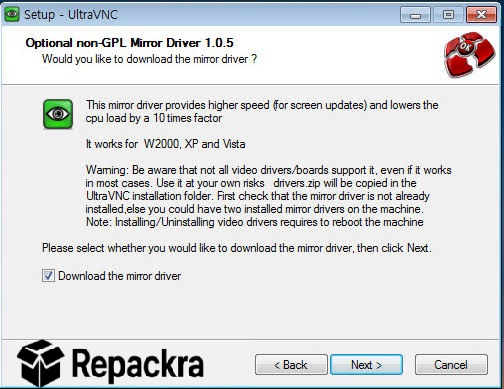
- Video driver for improved remote display performance
- Single click portable deployment option
- Unattended access for always on remote connections
- Multi monitor support during remote sessions
- Wake on LAN support for powering on remote machines
- Fully compatible with Windows 10 and Windows 11
What’s New in Version 1.8.2.4
- Improved connection stability on modern Windows systems
- Better compatibility with Windows 11 security features
- Updated encryption plugin for stronger connection security
- Several bug fixes and stability improvements
System Requirements
- Windows 7 or later, 64-bit recommended
- 2 GB RAM minimum
- 50 MB storage space available
- Active network connection required
- Intel or AMD dual core processor
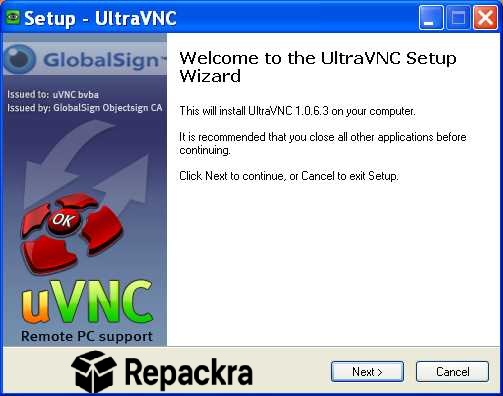
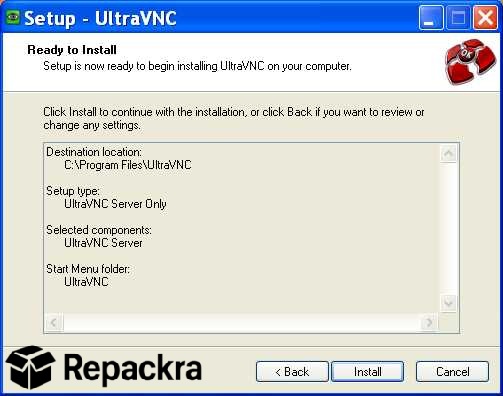
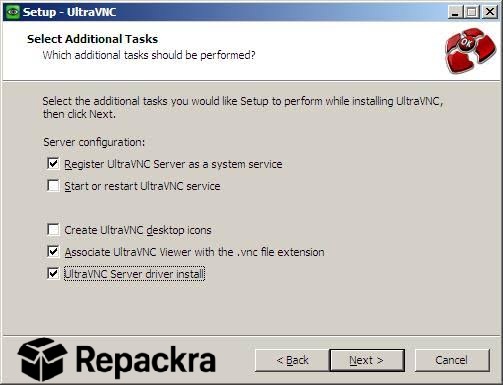
How to Install UltraVNC on Windows
- Download UltraVNC 1.8.2.4 for Windows.
- Run the installer file.
- Choose server, viewer, or both during installation.
- Launch UltraVNC for Windows.
- Configure your password and start accepting connections.
How to Download UltraVNC for Windows
- Visit the official UltraVNC website.
- Click the Download button for the Windows version.
- Wait for the installer to finish downloading.
- Open Downloads and run the installer.
- Follow the setup steps to complete installation.
Supported Websites
- UltraVNC Official Website
- Softpedia
- MajorGeeks
- FileHippo
- Fosshub
- Filehorse
- 1000+ other trusted sources
Why Use UltraVNC for Windows?
What makes UltraVNC for Windows a genuinely practical choice is how well it handles Windows specific remote desktop scenarios compared to generic VNC tools. The custom video driver improves screen capture performance noticeably, the built in file transfer means you don’t need a separate tool during support sessions,
and the single click deployment option makes rolling it out to multiple machines without sitting through a full installer on each one genuinely convenient. On machines where I want something even lighter with no configuration at all, RustDesk for Windows has become my go to since it just works out of the box without any driver setup.
For IT professionals managing Windows environments or home users who want reliable remote access to their own machines, UltraVNC for Windows covers everything you need without unnecessary complexity.
UltraVNC vs Other Remote Desktop Tools
| Feature | UltraVNC | Others |
|---|---|---|
| Windows Specific Video Driver | Yes | No |
| Built in File Transfer | Yes | Limited |
| Single Click Deployment | Yes | No |
| Wake on LAN Support | Yes | Limited |
| Open Source | Yes | No |