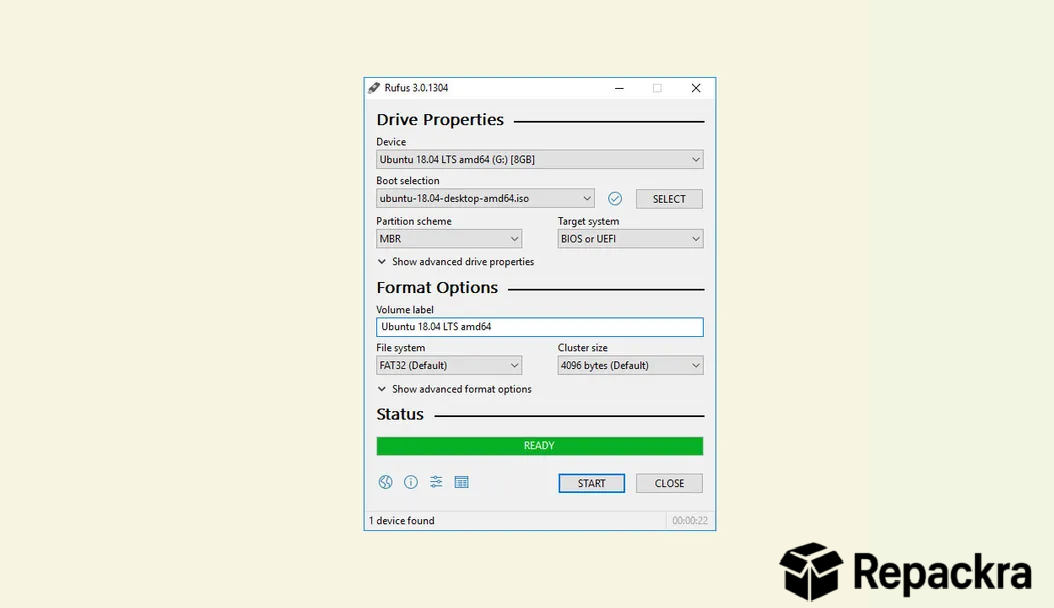
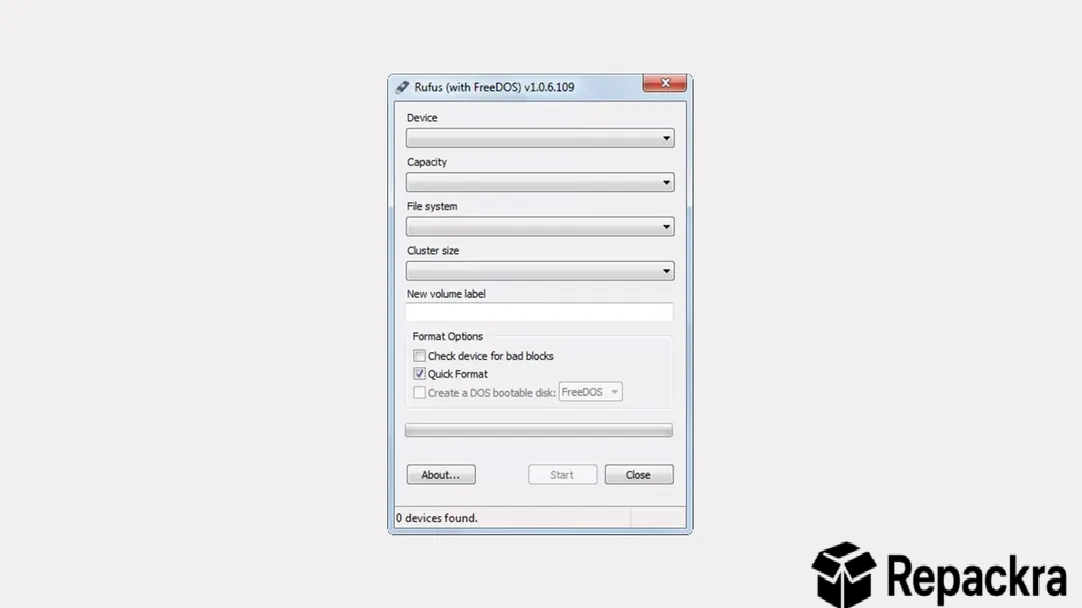
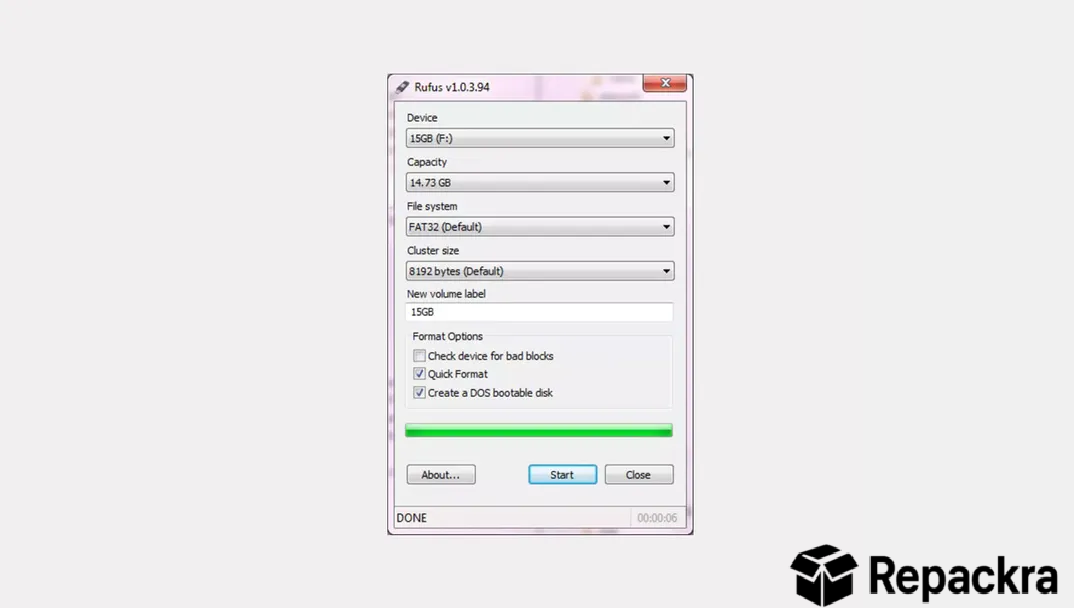
Rufus for Windows is the go to tool for anyone who needs to create a bootable USB drive quickly and reliably without any fuss. Version 4.15.2396 continues to deliver the same fast and dependable experience that has made it the most trusted bootable USB creator in the Windows community. I use it every single time I need to flash an ISO because nothing else on Windows does it this quickly and cleanly.
Whether you are flashing a Windows installer, a Linux distro, or a recovery environment like Gandalf’s Win10PE Redstone 6, Rufus handles it all without breaking a sweat.
Rufus Overview
Rufus for Windows is a lightweight and portable utility built specifically for creating bootable USB drives from ISO files. It handles everything from Windows installation media to Linux distributions and recovery environments with a simple interface that gets the job done in just a few clicks. Rufus for Windows is the kind of tool that does exactly what it promises without any unnecessary complexity.
Technicians who regularly flash recovery environments will find Bob.Omb Win10PE ISO 64-bit one of the most worthwhile ISOs to keep ready alongside Rufus, bringing a comprehensive Windows PE recovery desktop packed with disk tools, data recovery utilities, and antivirus scanning that makes Rufus the first step in a complete repair toolkit.
Key Features
- Fast ISO to USB flashing for any bootable image
- Supports Windows, Linux, and recovery ISO formats
- UEFI and legacy BIOS boot mode support
- MBR and GPT partition scheme selection
- Bad block detection and USB drive checking
- Portable version available with no installation needed
- FAT32, NTFS, exFAT, and UDF file system support
- Windows To Go creation support
- Persistent partition support for Linux live drives
- Completely open source with no bundled software
What’s New in 4.15.2396
- Improved Windows 11 ISO compatibility
- Better detection of newer USB drive controllers
- Updated UEFI bootloader support
- Several bug fixes and stability improvements
System Requirements
- Windows 7 or later, 64-bit recommended
- 2 GB RAM minimum
- 10 MB storage for the application itself
- USB drive of appropriate size for the ISO
- Active internet connection for ISO download features
How to Install Rufus on Windows
- Download Rufus 4.15.2396 for Windows.
- Run the executable file directly since it is portable.
- Plug in your USB drive.
- Select your ISO file and configure boot settings.
- Click Start and wait for the process to complete.
How to Download Rufus for Windows
- Visit the official Rufus website at rufus.ie.
- Click the download link for the latest version.
- Wait for the executable to finish downloading.
- Open Downloads and run Rufus directly.
- No installation required, it runs immediately.
Supported Websites
- Rufus Official Website
- GitHub Official Repository
- Softpedia
- MajorGeeks
- FileHippo
- Fosshub
- 1000+ other trusted sources
Why Use Rufus for Windows?
What makes Rufus for Windows the default choice for so many people is how fast and no nonsense the whole experience is. You open it, select your ISO, pick your settings, and it’s done before most other tools have even finished loading. The fact that it’s completely portable means you don’t even need to install it,
just keep the executable on a USB drive and it’s ready wherever you need it. The UEFI and legacy BIOS support combined with GPT and MBR options means it handles virtually every flashing scenario you’ll ever encounter without needing a different tool for different situations. If you’d rather stick with an official route straight from Microsoft, the Media Creation Tool for PC is a solid option to keep in mind as well.
Once your USB drives are flashed and ready, keeping Ankh Technology Emergency OS on a second drive gives you a Linux based hardware diagnostics and data recovery environment ready for whatever recovery situation comes next.
Rufus vs Other USB Creation Tools
| Feature | Rufus | Others |
|---|---|---|
| Portable No Install Required | Yes | Limited |
| UEFI and Legacy BIOS Support | Yes | Limited |
| Bad Block Detection | Yes | No |
| Windows To Go Support | Yes | No |
| Open Source | Yes | No |