
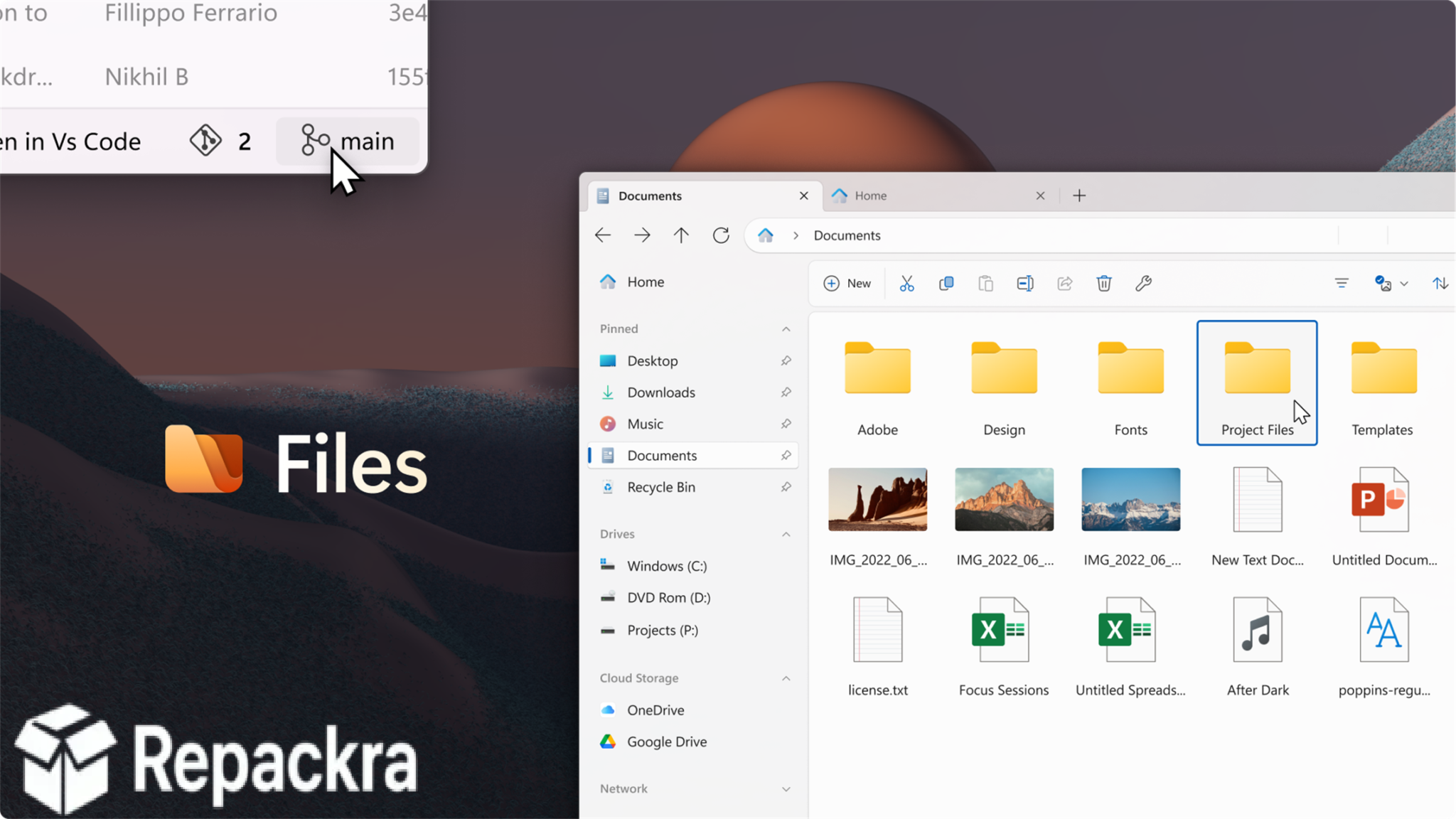
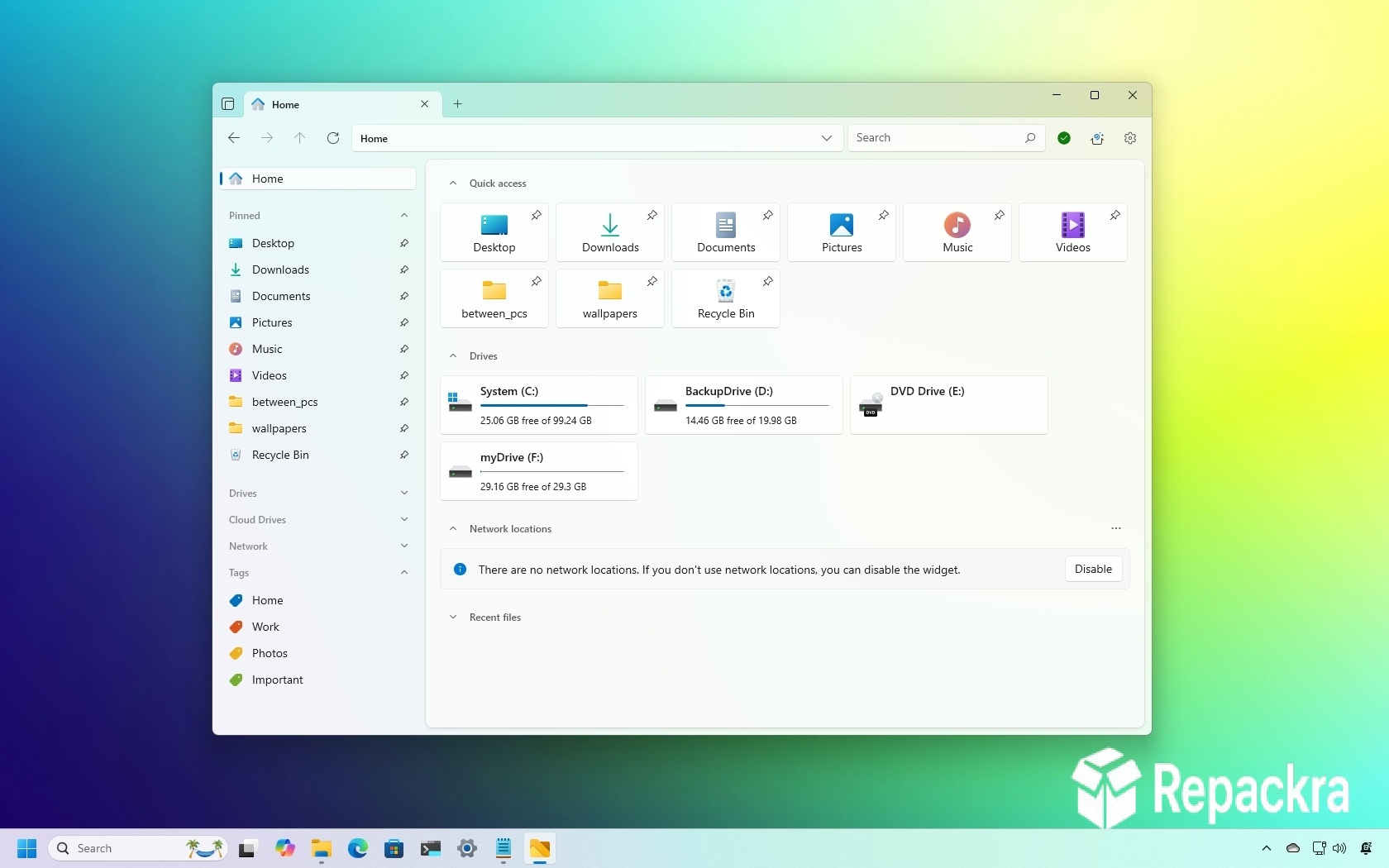
Files App for Windows is the file manager that makes you realize how much the default Windows Explorer has been holding you back once you spend a day with something genuinely modern and thoughtfully designed. Version 4.1 brings a more refined and capable experience for anyone who spends a meaningful amount of time navigating and managing files on their PC.
I keep it as my default file manager because the difference in how much faster and more pleasant file management feels is immediately obvious and hard to go back from. Users who want to take that same level of Windows shell customization further will find Nilesoft Shell for Windows a natural companion, giving them complete control over their right click context menus so the actions they reach for most are always one click away without any of the clutter Windows 11 hides behind an extra step.
Files App Overview
Files App for Windows is a modern and open source file manager built for Windows that brings a clean tabbed interface, dual pane browsing, and a design language that actually feels at home on a contemporary Windows 11 machine.
It handles everything Windows Explorer does but adds the features that should have been there years ago without feeling bloated or overengineered. Files App for Windows is what a modern Windows file manager should look like.
Users who want to take that same philosophy of modernizing the Windows experience further will find Explorer Patcher for Windows a natural companion, restoring and tweaking core Windows UI elements like the taskbar, Start menu, and context menus in ways that give you back control over how Windows actually looks and behaves.
Key Features:
- Tabbed browsing for managing multiple locations at once
- Dual pane view for easy file copying and comparison
- Tag system for organizing files beyond folders
- Archive creation and extraction built in
- Git repository status indicators in file browser
- Customizable sidebar and quick access panel
- Preview pane for images, text, and documents
- Cloud storage integration with OneDrive and more
- Rich context menu with useful actions
- Fully optimized for Windows 10 and Windows 11
What’s New in Version 4.2
- Improved dual pane stability and performance
- Better cloud storage sync status indicators
- New tag management improvements
- Several bug fixes and stability improvements
System Requirements
- Windows 10 or later, 64-bit
- 4 GB RAM minimum
- 200 MB storage space available
- Intel or AMD dual core processor
- Active internet connection for cloud features
How to Install Files App on Windows
- Download Files App 4.2 for Windows.
- Run the installer file.
- Follow the on screen installation steps.
- Launch Files App for Windows.
- Set it as your default file manager if preferred.
How to Download Files App for Windows
- Visit the official Files App website or Microsoft Store.
- Click the Download button for the Windows version.
- Wait for the installer to finish downloading.
- Open Downloads and run the installer.
- Follow the setup steps to complete installation.
Supported Websites
- Files App Official Website
- Microsoft Store
- GitHub Official Repository
- Softpedia
- MajorGeeks
- Fosshub
- 1000+ other trusted sources
Why Use Files App for Windows?
What makes Files App for Windows genuinely worth switching to is how much it respects the way people actually work with files rather than forcing you into a workflow designed decades ago and barely updated since. Tabbed browsing alone eliminates the window juggling that makes moving files between locations in Explorer so unnecessarily tedious.
The dual pane view makes comparing and copying between two folders completely effortless, and the tag system gives you a way to organize files by context rather than just location. The design feels like it belongs on a modern Windows machine in a way that Explorer simply doesn’t anymore, and once you get used to it going back feels like a genuine step backward.
For the odd batch renaming job that Files App doesn’t handle as deeply, Bulk Rename Utility is still what I fall back on for anything involving complex naming patterns across hundreds of files at once.
Files App vs Other File Managers
| Feature | Files App | Others |
|---|---|---|
| Tabbed Browsing | Yes | Limited |
| Dual Pane View | Yes | Limited |
| Built in Archive Support | Yes | Limited |
| Git Status Indicators | Yes | No |
| Windows Optimized | Yes | No |